
Kurkure, the iconic curved snack known for its fiery flavor and distinct crispy texture, is a marvel of food engineering. Unlike simple potato chips, Kurkure is an extruded snack—created by forcing a corn-based dough through a die under extreme heat and pressure .
Producing this snack at scale requires a delicate balance of chemistry, mechanics, and quality control. Here are the essential issues manufacturers must watch for to avoid producing soggy, burnt, or bland products.
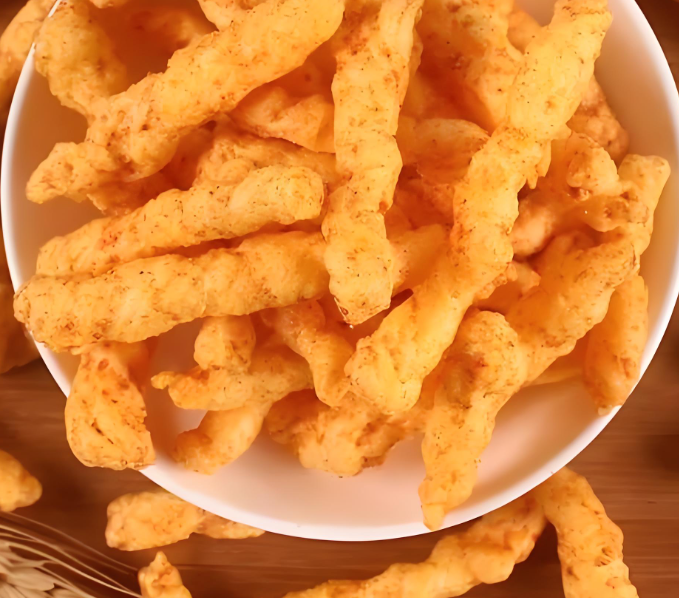
1. Raw Material Quality: Starting with the Right Grit
The foundation of Kurkure is primarily corn grits. kurkure making machine price The quality and particle size of this raw material are the first major hurdles.
- Particle Size is Critical: If the corn meal is too fine, the final product becomes overly fragile and airy. If it is too coarse, the texture turns hard, gritty, or dense. A consistent, medium-coarse grind is necessary for uniform expansion .
- Moisture Content: The raw meal must have a specific hydration level (typically 12-15%) before entering the extruder. Inconsistent moisture leads to inconsistent puffing .
- Ingredient Purity: Modern consumer trends demand transparency. As seen with major brands, there is a strict shift toward avoiding artificial colors and flavors, relying instead on natural ingredients to achieve the signature look and taste .
2. The Extrusion Process: Where Physics Meets Flavor
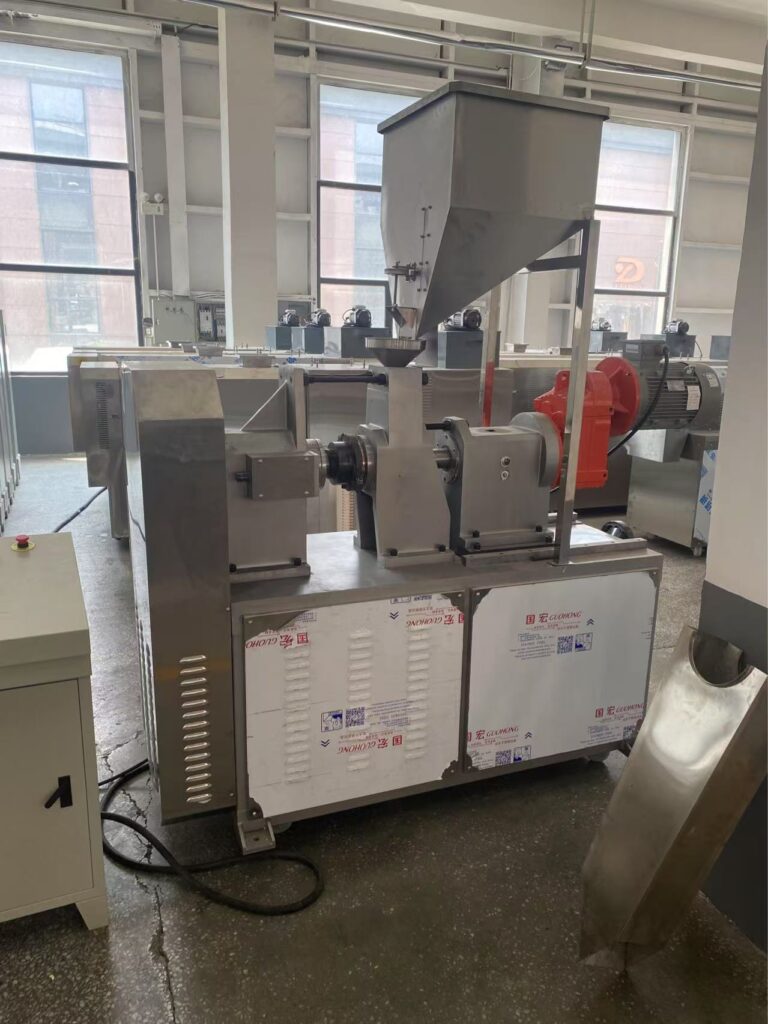
The extruder is the heart of the production line. This is where the “dough” is cooked, shaped, and puffed. Mistakes here cannot be fixed later.

- The Temperature-Pressure Balance: Inside the extruder barrel, the mix reaches 150-180°C (300-350°F) under high pressure. When the dough is forced through the die, the sudden drop in pressure causes superheated water to flash into steam, puffing the snack .
- Issue: Low temperature results in dense “rocks.”
- Issue: High temperature burns the starch, creating a bitter aftertaste.
- Die Design: The unique helical (curved) shape of Kurkure comes from the die. Worn or poorly designed dies produce misshapen products that look unappetizing .
- Cutting Speed: As the extrudate exits, a rotating knife cuts it to length. If the knife speed mismatches the extrusion flow, you get either “nuggets” (too short) or “sticks” (too long).
3. Frying vs. Baking: Managing Oil Content
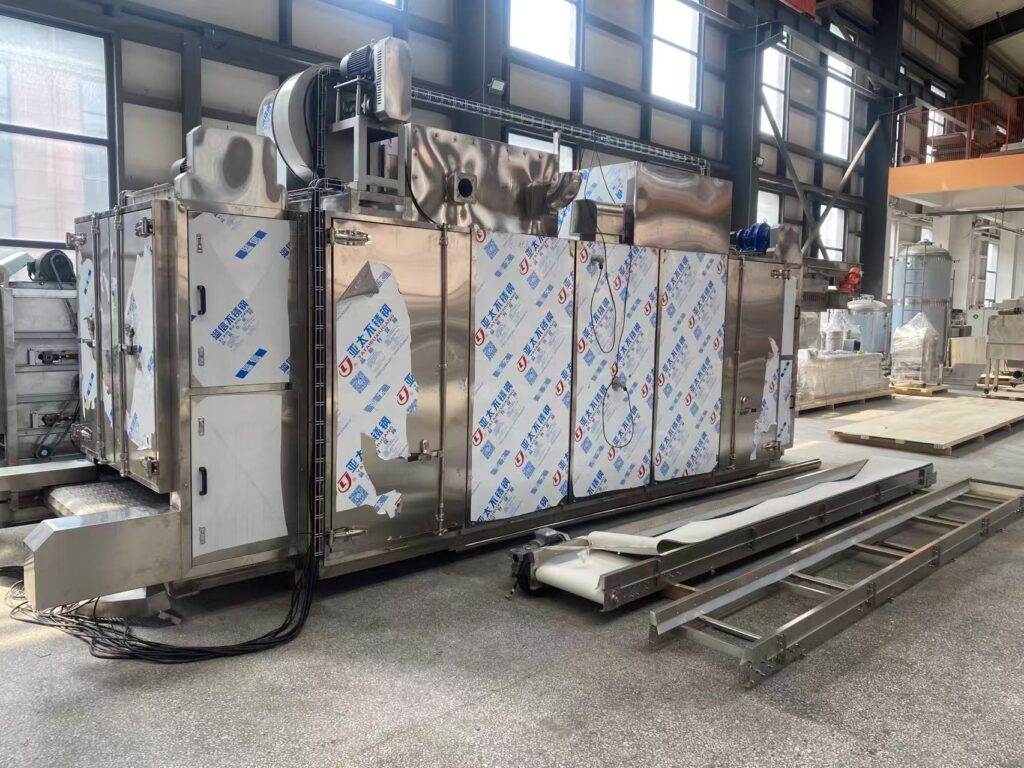
Once extruded, the base snack (often called gul gulas) needs to be dried or fried to achieve shelf stability and crunch.
- Oil Temperature: If the oil in the continuous fryer is too cool, the snacks absorb excess fat, becoming greasy and heavy. If the oil is too hot, kurkure making machine price the outside burns while the inside remains doughy. Optimal frying occurs around 170-190°C .
- Oil Degradation: As oil is reused, it degrades. Continuous filtration systems are required to remove burnt particles. Rancid oil ruins the taste of even the best seasoning blend .
4. Seasoning: The Art of Adhesion
Kurkure is famous for its bold, savory masala coating. However, powder does not stick to dry corn.
- The Oil Mist: A precise amount of oil must be sprayed onto the snacks in a rotating drum before seasoning. This acts as the glue. If the oil is uneven, you get clumps of powder or bare spots .
- Clumping: The seasoning environment must be humidity-controlled. If the air is too moist, the flavor powder becomes sticky and clogs the sieves. Anti-caking agents (like tricalcium phosphate) are often needed in the seasoning blend to keep it flowing freely .
5. Packaging: The Final Battle Against Sogginess
Kurkure is hygroscopic, meaning it actively pulls moisture from the air. Once it absorbs humidity, the crunch is gone.
- Barrier Films: Standard plastic bags are insufficient. Manufacturers must use high-barrier, multi-layer laminated films that prevent oxygen and moisture from seeping in .
- Nitrogen Flushing: The “air” in a Kurkure bag is not normal air. It is Nitrogen. Oxygen causes the fats to oxidize (rancidity) and the snack to stale. By flushing the bag with nitrogen before sealing, manufacturers displace oxygen and create a pressurized cushion that protects the fragile snacks from breaking during shipping .
6. Consistency and Automation
Finally, a significant issue for commercial manufacturers is batch-to-batch consistency.

Manual adjustments lead to human error. Modern production lines utilize PLC (Programmable Logic Controller) systems to maintain strict parameters. kurkure making machine price Industrial standards aim for deviations of less than ±0.5% in moisture and ±3% in density to ensure that every packet tastes identical to the last .
Summary Checklist for Production
| Stage | Critical Issue | Consequence of Failure |
|---|---|---|
| Raw Material | Corn grit particle size | Uneven texture / Hard bits |
| Extrusion | Temperature/Pressure balance | No puff (dense) or burnt taste |
| Frying | Oil temperature & cleanliness | Greasy product / Rancid flavor |
| Seasoning | Oil mist uniformity | Blotchy flavor / Waste of powder |
| Packaging | Seal integrity & Nitrogen flush | Stale, chewy texture within days |
By controlling these six variables, a manufacturer can produce a Kurkure that has the perfect “snap,” the right spice kick, and a long shelf life.
 Belarusian
  English
  Russian
  Spanish
  Italian
  Arabic
  Portuguese
  German
  French
  Japanese
  Moroccan Arabic
  Persian