
Floating fish feed is a specialized type of aquafeed designed to remain on the water surface for extended periods, allowing farmers to monitor fish consumption and reduce waste. fish feed extruder machine The production process involves several precise steps to ensure nutritional value, buoyancy, and durability.
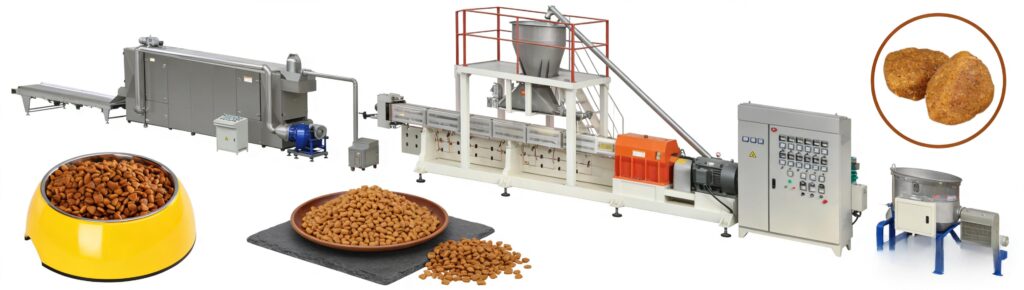
1. Raw Material Selection and Grinding
The process begins with selecting high-quality ingredients such as soybean meal, corn gluten, fishmeal, wheat flour, oils, vitamins, and minerals. These materials are first passed through a grinder or hammer mill to achieve a fine, uniform powder. Fine grinding is critical for proper gelatinization later and ensures the pellets remain stable in water.
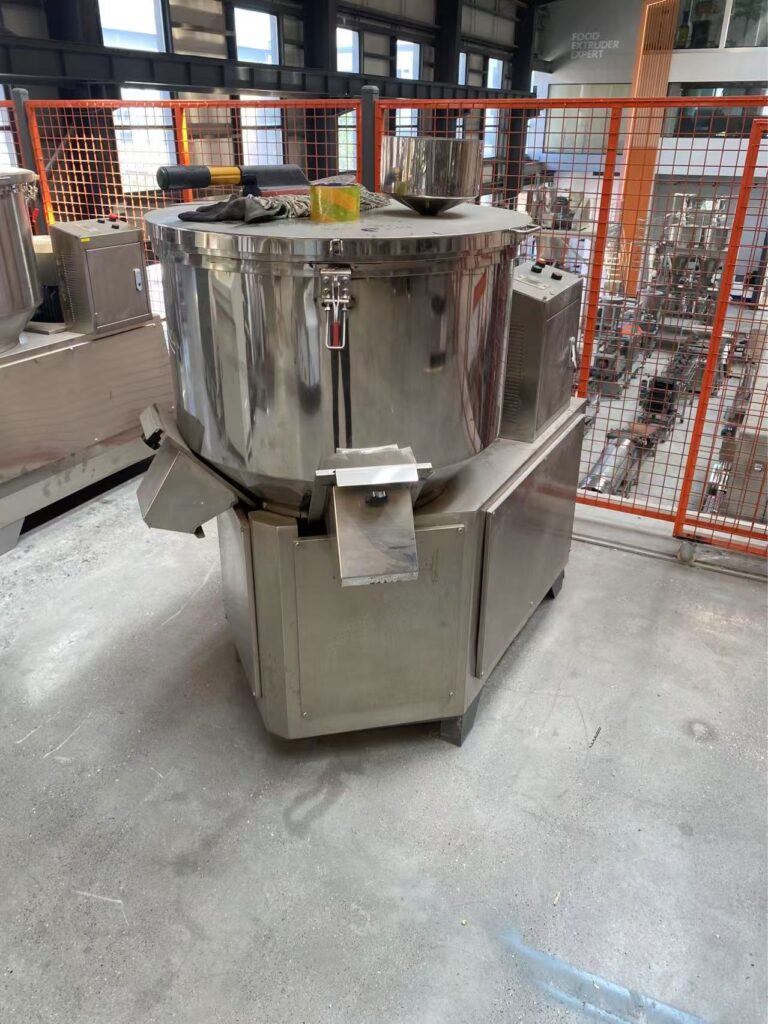
2. Mixing
The ground ingredients are transferred to a mixer where they are blended thoroughly. During this stage, steam and water may be added to condition the mixture. Uniform mixing guarantees that each pellet contains balanced nutrients.
3. Extrusion – The Key Step for Floating
The mixed powder is fed into an extruder, a high-temperature, high-pressure machine. Inside the extruder, the material is heated to approximately 120–150°C (248–302°F) under intense pressure. As the dough exits through a die plate, the sudden drop in pressure causes trapped moisture to flash into steam. This expansion creates porous, low-density pellets that float.

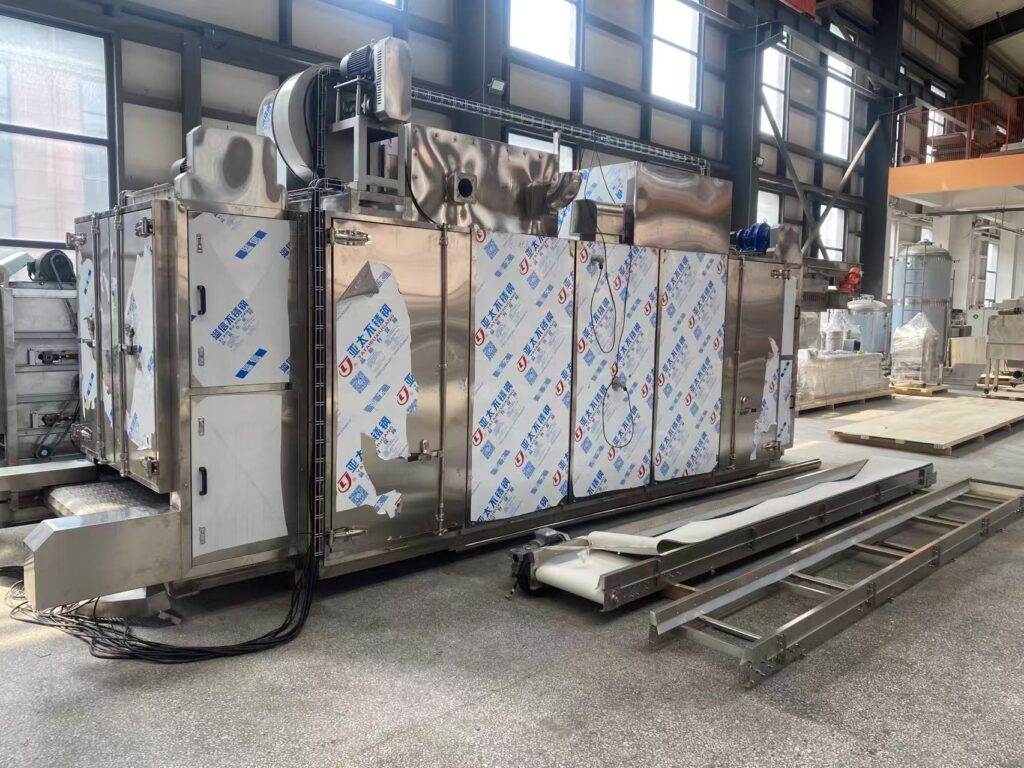
4. Cutting and Drying
A rotating knife at the extruder outlet cuts the expanded dough into pellets of the desired length. The wet, soft pellets then enter a dryer, where hot air (usually 80–100°C) reduces moisture content from around 25–30% to less than 10%. Proper drying is essential to prevent mold growth and maintain buoyancy.
5. Coating
After drying, the pellets pass through a coater where fats, lecithin, or other additives are applied. fish feed extruder machine The coating enhances flavor, adds energy, and improves water stability. A vacuum coater may be used to deeply absorb oils into the porous structure, further increasing float time.

6. Cooling and Screening
The coated, warm pellets are cooled to room temperature using ambient or conditioned air. They then travel through a vibrating screen that removes fines and broken particles. Only intact, uniform pellets proceed to packaging.

7. Quality Control and Packaging
Samples are tested for size, durability, buoyancy (should float for at least several hours), and nutritional content. Finally, fish feed extruder machine the finished feed is packed into moisture-resistant bags and stored in a cool, dry environment.

By precisely controlling each step, manufacturers produce floating fish feed that not only supports efficient aquaculture but also minimizes water pollution. This makes it a preferred choice for species such as tilapia, catfish, and trout.
 Moroccan Arabic
  English
  Russian
  Spanish
  Italian
  Arabic
  Portuguese
  German
  French
  Japanese
  Persian
  Belarusian