
The pet food industry is booming, with dog owners increasingly seeking high-quality, nutritious, and safe options for their pets. dog food extruder Starting a dog food manufacturing plant can be a rewarding business venture, but it requires careful planning, significant capital, and strict adherence to regulations. Below is a comprehensive guide to help you navigate the process.

1. Conduct Market Research and Define Your Niche
Before investing, understand the competitive landscape. Decide what type of dog food you will produce:
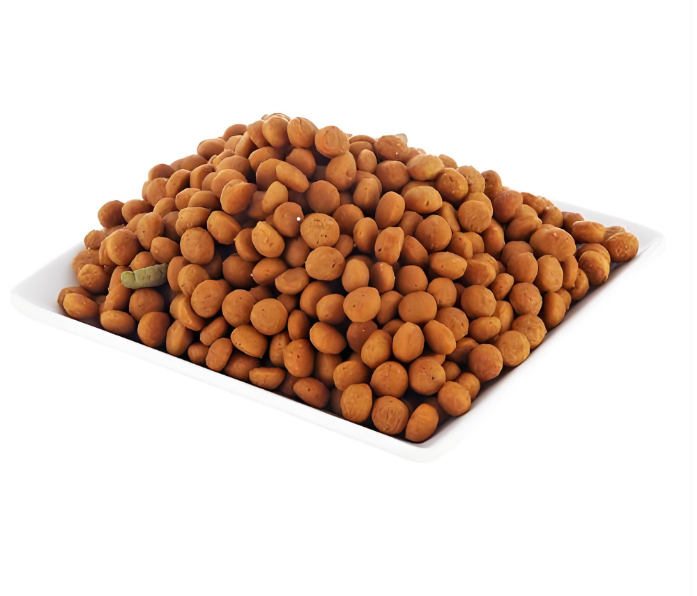
- Dry kibble (extruded): Most common, shelf-stable, and cost-effective to produce.
- Wet/canned food: Higher moisture, often perceived as premium.
- Freeze-dried or dehydrated: Lightweight, retains nutrients, requires specialized equipment.
- Fresh or frozen: Minimal processing, short shelf life, refrigerated distribution.
- Functional treats: Targeted for health issues (joints, skin, digestion).
Analyze your target customers (budget, premium, raw feeders, etc.) and identify gaps in the local or regional market.
2. Understand Legal and Safety Regulations
Dog food is heavily regulated in most countries. dog food extruder In the US, you must comply with:
- AAFCO (Association of American Feed Control Officials): Nutrient profiles and labeling guidelines.
- FDA (Food and Drug Administration): Regulations on ingredients, processing, and contamination prevention.
- State feed laws: Vary by state; registration and licensing required.
- USDA (if using meat, poultry, or eggs): Some ingredients may require USDA inspection.
Other key requirements:
- HACCP (Hazard Analysis Critical Control Point) plan.
- Good Manufacturing Practices (GMPs).
- Traceability systems for recalls.
Consult a pet food regulatory expert or lawyer early to avoid costly mistakes.

3. Create a Detailed Business Plan
Your business plan should include:
- Executive summary and company description.
- Product line and unique selling proposition (e.g., grain-free, human-grade, insect protein).
- Sourcing strategy for ingredients (proteins, grains, vegetables, vitamins).
- Manufacturing process flow (receiving → grinding → mixing → extrusion/cooking → drying → coating → packaging → storage).
- Equipment list with estimated costs.
- Staffing plan (production manager, quality control, operators, packaging line workers).
- Financial projections: startup costs, operating expenses, pricing, break-even analysis.
- Marketing and distribution strategy (direct-to-consumer, pet stores, veterinary clinics, online).
4. Secure Funding
Startup costs can range from $500,000 for a small semi-automated line to several million dollars for a full-scale plant. Typical expenses include:
- Facility lease/purchase and renovation.
- Industrial equipment (mixers, extruders, dryers, coating drums, packaging machines).
- Utility upgrades (3-phase power, water treatment, steam boilers).
- Lab equipment for quality testing.
- Initial inventory of ingredients and packaging.
- Licenses, insurance, and legal fees.
Funding sources: small business loans, angel investors, pet industry grants, or bootstrapping with a smaller pilot plant.
5. Find and Set Up the Facility
Look for an industrial space with:
- Minimum 2,000–5,000 sq ft (for small-scale); larger for high-volume production.
- Concrete floors, high ceilings, and good ventilation.
- Easy access for ingredient and finished goods trucks.
- Separation zones for raw ingredients (especially meat) and finished products to prevent cross-contamination.
- Sanitary drainage and wash-down areas.
- Proper waste disposal (organic waste, packaging scrap).
Design the layout for efficient workflow: receiving → storage → batching → processing → packaging → warehouse → shipping.

6. Purchase Essential Equipment
A basic dry kibble line includes:
- Grinder/hammer mill (for grains and dry ingredients)
- Batching system (scales and conveyors)
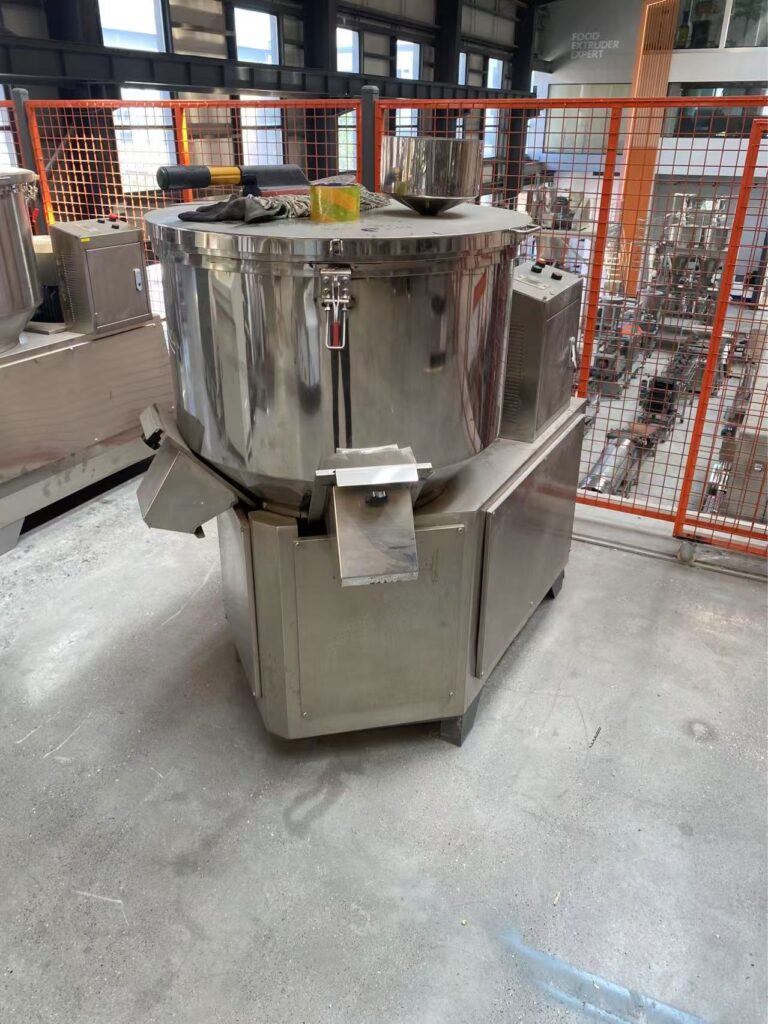
- Mixing tank (for wet and dry ingredients)
- الطارد (cooks and shapes the kibble)
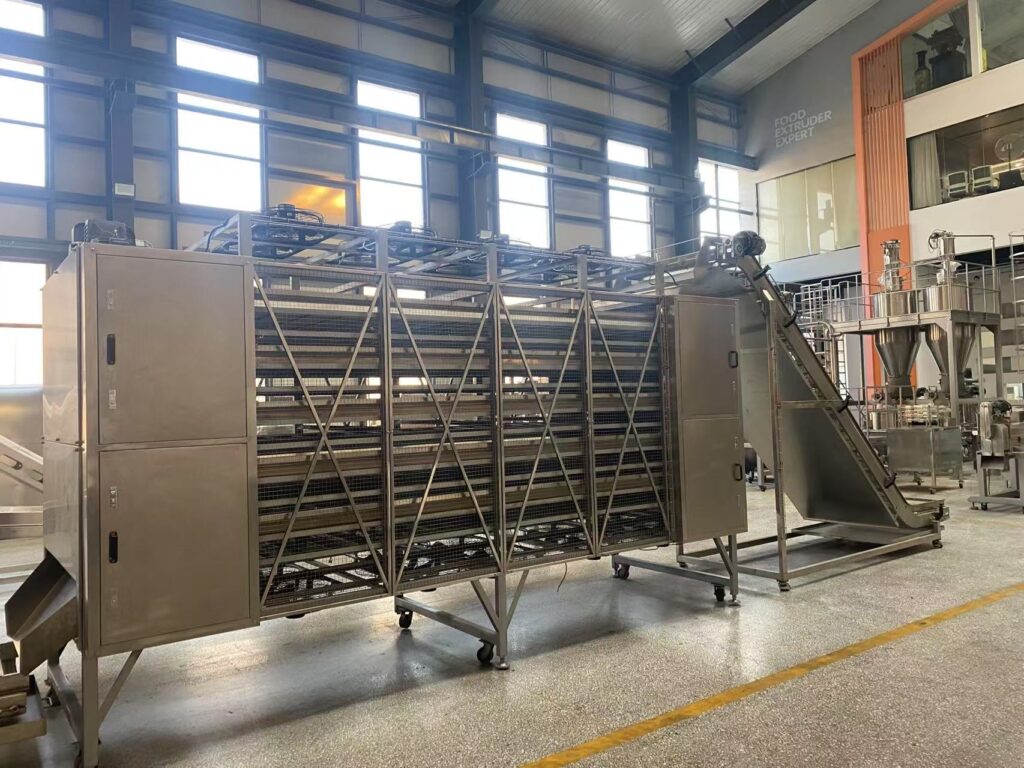
- Dryer (removes moisture to 10% or less)
- Coating drum (adds fats, oils, flavors)
- Cooling conveyor
- Packaging machine (vertical form fill seal for bags)
- Metal detector and checkweigher
- Boiler (for steam in extrusion)
- Air compressor (for pneumatic controls)
For wet food: can seamer, retort (pressure cooker for sterilization), labeler.
For testing: moisture analyzer, pH meter, protein/fat analyzers, pathogen testing kits.

7. Source Ingredients and Develop Recipes
Work with a pet nutritionist or animal scientist to formulate balanced recipes that meet AAFCO standards for the appropriate life stage (growth, adult, all-life-stages).
Common ingredients:
- Proteins: chicken meal, beef, lamb, fish meal, plant proteins (soy, pea, lentils).
- Carbohydrates: rice, barley, oats, sweet potatoes.
- Fats: poultry fat, fish oil, flaxseed.
- Vitamins/minerals: premixes from specialty suppliers.
Secure reliable suppliers and request certificates of analysis for each batch. Consider backup suppliers to mitigate shortages.

8. Implement Quality Control and Safety Systems
Every batch must be tested for:
- Nutritional adequacy (protein, fat, fiber, moisture).
- Contaminants (Salmonella, E. coli, mold, mycotoxins, heavy metals).
- Physical hazards (metal fragments, plastic).
- Shelf life stability (rancidity, texture changes).
Keep retained samples of every production lot for at least one year. dog food extruder Document all cleaning, maintenance, and employee training.
9. Obtain Certifications (Optional but Valuable)
Certifications can differentiate your brand:
- AAFCO (mandatory for nutrient claims)
- USDA Organic (if using organic ingredients)
- Non-GMO Project Verified
- Human-grade (requires facility to meet human food processing standards – very difficult and costly)
- SQF (Safe Quality Food) or BRCGS – often required by large retailers
10. Branding, Packaging, and Labeling
Your label must legally include:
- Product name and brand
- Net weight
- Guaranteed analysis (min % protein, fat, fiber, moisture)
- Ingredient list (descending by weight)
- Nutritional adequacy statement (e.g., “formulated to meet AAFCO standards for adult maintenance”)
- Feeding guidelines
- Manufacturer name and address
- Lot number and “best by” date
Design attractive, durable packaging (bags, cans, pouches) that preserves freshness and stands out on shelves. Consider resealable features for dry food.
11. Launch Marketing and Distribution
- Sell directly via your own e-commerce website (higher margin, builds customer data).
- Wholesale to independent pet stores, farm supply stores, and veterinary clinics.
- Partner with dog trainers, breeders, and rescue organizations for endorsements.
- Attend pet industry trade shows (Global Pet Expo, SuperZoo).
- Use social media and influencer marketing (dog accounts, veterinarians).
- Offer free samples to generate word-of-mouth.
12. Plan for Scalability and Continuous Improvement
Start with a limited SKU (e.g., one formula, two bag sizes) to perfect your process. Once profitable, expand:
- New recipes (puppy, senior, grain-free, limited ingredient).
- Larger packaging or bulk bags for kennels.
- Contract manufacturing for other pet brands (co-packing).
Invest in automation over time to reduce labor costs and improve consistency.

Common Pitfalls to Avoid
| Pitfall | Prevention |
|---|---|
| Skipping nutritional trials | Work with a certified animal nutritionist; conduct feeding trials if claiming “clinical proven.” |
| Poor ingredient storage | Maintain climate-controlled, pest-proof storage; rotate stock FIFO. |
| Inadequate recall plan | Have a traceability system and mock recall drills. |
| Ignoring local zoning laws | Check if dog food production is allowed in your chosen industrial zone. |
| Underestimating utility costs | High steam and electricity usage; calculate carefully. |
 Moroccan Arabic
  English
  Russian
  Spanish
  Italian
  Arabic
  Portuguese
  German
  French
  Japanese
  Persian
  Belarusian