
Processing Method for Breakfast Cereal Corn Flakes

Corn flakes are a classic ready-to-eat breakfast cereal made primarily from corn grits or corn flour. Their characteristic thin, crispy texture and toasted flavor come from a controlled process that includes cooking, forming, flaking, drying, and toasting. Below is a practical overview of the standard industrial processing method. 1) Raw Material Preparation Most corn flakes […]
Introduction to a Food Puffing (Extrusion) Machine

A food puffing machine—often referred to as a puff extruder or extrusion puffing machine—is industrial equipment designed to produce light, crispy, expanded snack products by combining mixing, cooking, pressurizing, and shaping in a continuous process. It is widely used in the manufacture of puffed snacks, breakfast cereals, pet foods, and various grain-based convenience products. How […]
Processing Technology of Soy Protein Texturates (Textured Soy Protein, TSP/TVP)

Processing Technology of Soy Protein Texturates (Textured Soy Protein, TSP/TVP) 1. Introduction Soy protein texturates—commonly referred to as textured soy protein (TSP) or textured vegetable protein (TVP)—are structured protein ingredients designed to mimic the fibrous bite and water-holding behavior of meat. They are widely used in plant-based meat analogs, hybrid meat products, ready meals, and […]
Five Key Factors in Producing High-Quality Expanded Snacks
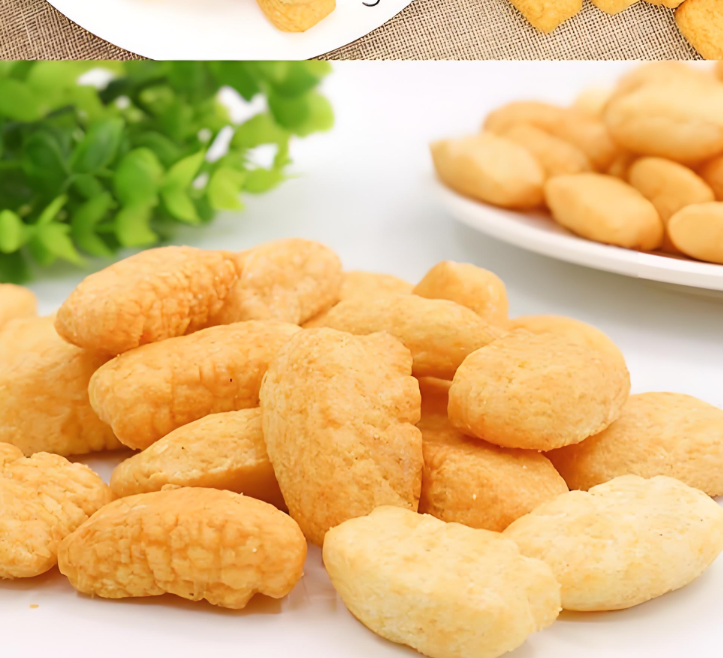
The production of high-quality expanded snacks, from puffs and curls to direct-expanded shapes, is a precise science that balances ingredient selection, processing parameters, snack extruder machine and stringent quality control. Moving beyond simple volume expansion to achieve superior texture, flavor, and nutritional value requires mastery of several interconnected factors. Here are the five key pillars […]
Unpacking the Processing Technology Behind Corn Sticks (Puffed Corn Snacks)

1. Introduction Corn sticks—also known as puffed corn sticks or extruded corn snacks—look simple, but their airy texture, crisp bite, and uniform shape are the result of tightly controlled processing. This article “reveals” the typical industrial process used to manufacture corn sticks, explaining what happens at each step and why small parameter changes can dramatically […]
Cleaning of a Twin-Screw Extruder (Twin-Screw Expansion Extruder)
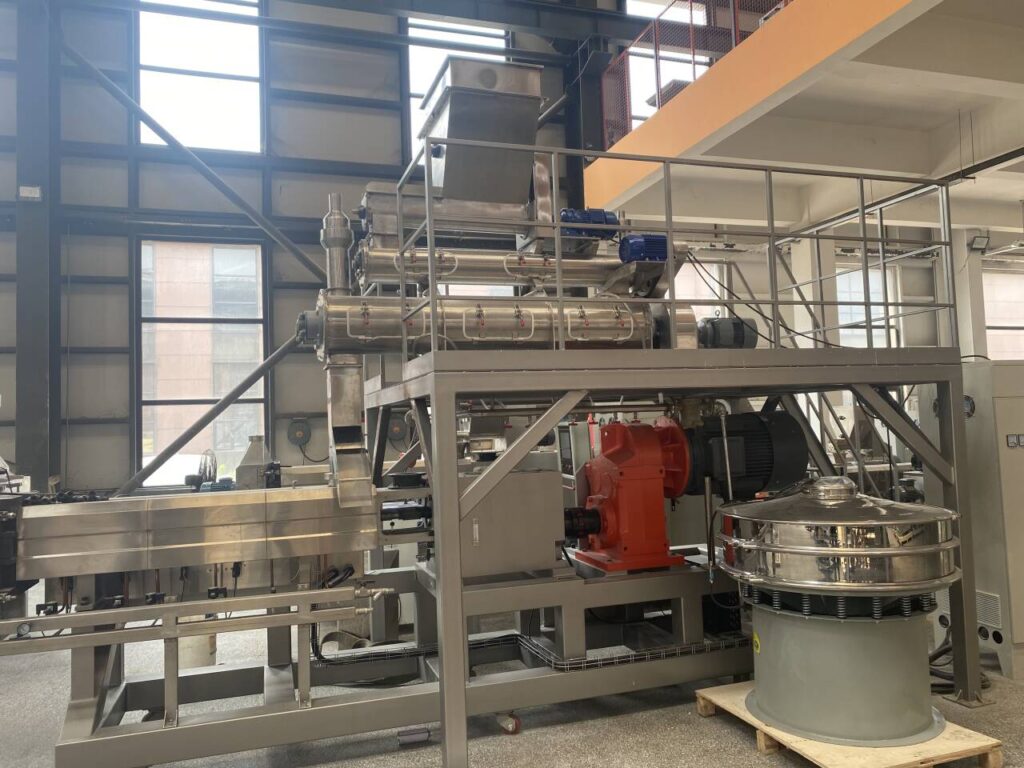
1. Introduction Cleaning a twin-screw extrusion system is essential for food safety, product quality, allergen control, and reliable operation. Because extrusion combines heat, pressure, and shear, residues can bake onto screw elements, barrel liners, the die face, and the cutter area. A good cleaning program includes routine in-process cleaning, planned shutdown cleaning, and periodic deep […]
Operation of a Twin-Screw Extruder for Expanded Products

1. Introduction A twin-screw extrusion cooking system (often called a twin-screw extruder for puffed or expanded foods) is used to continuously mix, cook, and shape formulations such as cereal snacks, breakfast cereals, and texturized ingredients. Successful operation depends on controlling feed rate, moisture, screw speed, temperature profile, and die conditions to achieve stable flow, target […]
Main Components of a Twin-Screw Extruder
1. Introduction A twin-screw extruder is a continuous processing machine widely used in food, feed, and biomaterial industries for mixing, cooking, conveying, texturizing, and shaping materials under controlled heat and shear. Compared with single-screw systems, twin-screw extruders provide stronger mixing capability, better process stability, and higher flexibility in handling diverse formulations. Understanding the major components […]
Processing Technology of Instant Rice (Quick-Cooking Rice)

1. Introduction Instant rice (also called quick-cooking rice) is a convenience food designed to shorten preparation time while maintaining acceptable texture, flavor, and nutritional value. Unlike raw milled rice that requires full cooking, instant rice is typically pre-cooked (fully or partially), stabilized, and then dehydrated so it can be rehydrated quickly with hot water or […]
How Fortified Rice Is Made
Fortified rice is designed to look, cook, and taste like regular rice while providing extra vitamins and minerals that help improve nutrition. It is commonly used in school meal programs, food aid, and everyday diets in places where people may not get enough micronutrients from other foods. The process of making fortified rice depends on […]
The Baking/Drying Process for Fortified Rice Premix Kernels
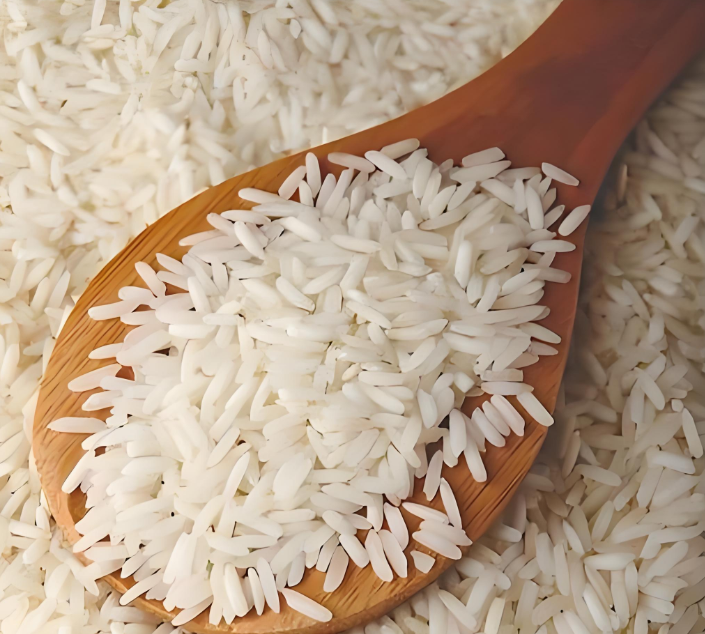
1. Introduction Unlike parboiled or roasted rice, the baking process in fortified rice production refers specifically to the drying and thermal stabilization of the extruded premix kernels before they are blended with regular rice. This is a critical, high-precision unit operation that determines the structural integrity, shelf stability, and cooking compatibility of the nutrient-dense kernels. […]
The Manufacturing Reality of Fortified Rice: From Broken Kernels to Nutrient Claim
Introduction: The Public Health Promise vs. Industrial Reality Fortified rice is promoted globally as a cost-effective, scalable solution to combat micronutrient deficiencies (e.g., iron, zinc, folic acid, Vitamin A) in staple food. While its public health intent is valid, the industrial process reveals a complex intervention far removed from the natural grain, raising questions about […]
 Arabic
  English
  Russian
  Spanish
  Italian
  Portuguese
  German
  French
  Japanese
  Moroccan Arabic
  Persian
  Belarusian