
Introduction
Rice is a staple food for more than half of the world’s population, particularly in Asia, Africa, and Latin America. However, regular rice is often low in essential micronutrients like iron, zinc, and B vitamins. To address widespread malnutrition, food scientists have developed fortified rice—a product designed to mimic natural rice grains while delivering added nutrients. fortified rice machinery plant This article compares the two types of rice across several key dimensions: nutritional content, taste and texture, cost, production methods, and public health impact.
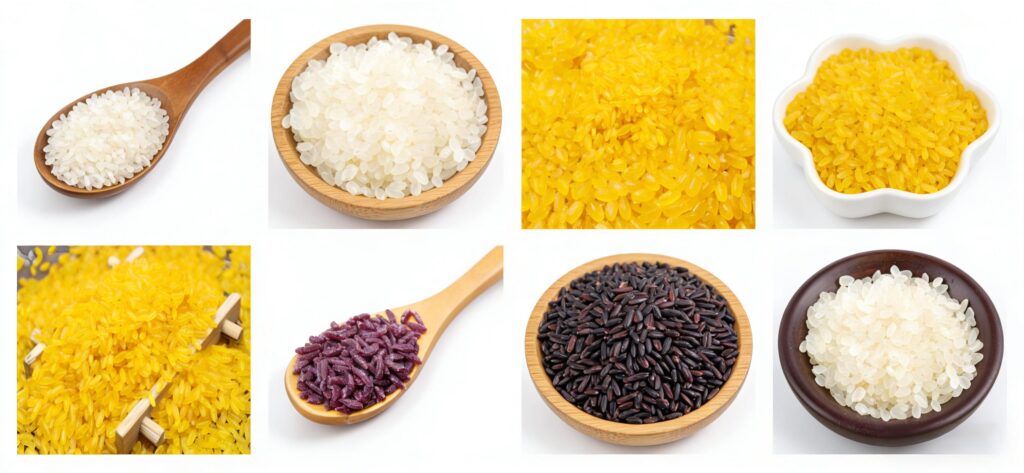
1. Nutritional Profile
- Regular Rice: Milled white rice is primarily a source of carbohydrates and provides some protein, but it loses most of its vitamins and minerals during polishing. Brown rice retains more nutrients (e.g., magnesium, B vitamins) but still falls short of meeting daily requirements for key micronutrients.
- Fortified Rice: Contains added vitamins and minerals—commonly iron, folic acid, vitamin B12, and zinc. The levels are carefully controlled to meet specific public health targets. One serving of fortified rice can provide 30–50% of the recommended daily intake of certain nutrients, making it a powerful tool against deficiencies like anemia.
2. Taste and Mouthfeel
- Regular Rice: Known for its clean, neutral flavor and varied texture depending on the variety (e.g., sticky short-grain, fluffy long-grain). Consumers are highly accustomed to its sensory properties.
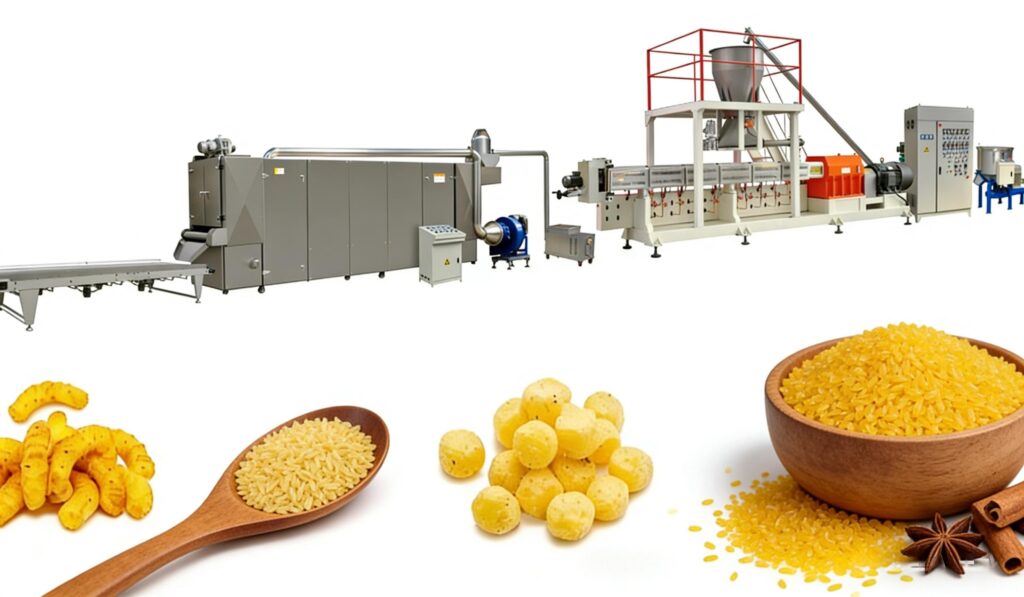
- Fortified Rice: When produced using modern extrusion or coating technologies, fortified rice is engineered to closely match the taste and texture of regular rice. High-quality fortified rice is nearly indistinguishable after cooking. However, poorly made versions may have a slightly grainy, waxy, or brittle texture. Proper processing minimizes these differences.
3. Appearance

- Regular Rice: Uniform in color (white, off-white, or brown), with translucent or opaque grains.
- Fortified Rice: May look identical to regular rice when using coating methods. Extruded kernels are often colored—pale gold, cream, or rice-white—to visually blend in. fortified rice machinery plant Some fortified rice products include a small percentage (0.5–2%) of clearly identifiable fortified kernels to help distributors verify quality.
4. Cooking Behavior
- Regular Rice: Requires soaking, specific water ratios, and cooking times that vary by grain type. It absorbs water evenly and becomes tender.
- Fortified Rice: Generally cooks similarly to regular rice, but may need slightly less water or gentler heat to prevent fortified kernels from breaking. Many brands recommend rinsing lightly (not excessively) to avoid losing surface nutrients. Cooking time is usually unchanged—about 15–20 minutes.
5. Cost and Affordability

- Regular Rice: Very inexpensive, especially locally grown varieties. This is why it remains accessible to low-income populations.
- Fortified Rice: Costs slightly more—typically 5–15% higher than regular rice—due to the fortification process, quality testing, and specialized equipment. However, many governments and NGOs subsidize fortified rice, making it affordable for school lunch programs, food aid, and low-income households.
6. Production Methods
- Regular Rice: Grown, harvested, milled (husk and bran removed), and polished. No additional processing steps.
- Fortified Rice: Produced via one of two main methods:
- Coating: Nutrients are sprayed onto the surface of regular rice grains.
- Extrusion: Rice flour is mixed with vitamin/mineral premix, heated, and shaped into kernel-like particles, then blended with regular rice (usually at a ratio of 1:100 to 1:200).
7. Shelf Life and Storage

- Regular Rice: Can be stored for 12–24 months in cool, fortified rice machinery plant dry conditions without significant nutrient loss.
- Fortified Rice: Has a similar shelf life (12–18 months) but is more sensitive to humidity, heat, and prolonged washing. Vitamins (especially B1 and folic acid) degrade faster under high temperatures or UV light. Proper packaging—opaque, sealed bags—is essential.
8. Public Health Impact
- Regular Rice: Provides energy but does little to combat “hidden hunger” (micronutrient deficiency), which affects over 2 billion people globally.
- Fortified Rice: Has been shown in clinical studies to reduce iron-deficiency anemia, improve cognitive development in children, and lower neural tube defects when folic acid is added. It is a cost-effective intervention because it leverages an existing food staple without requiring changes in eating habits.
9. Environmental Considerations
- Regular Rice: Requires significant water, land, and methane-emitting paddies. Its environmental footprint is already high.
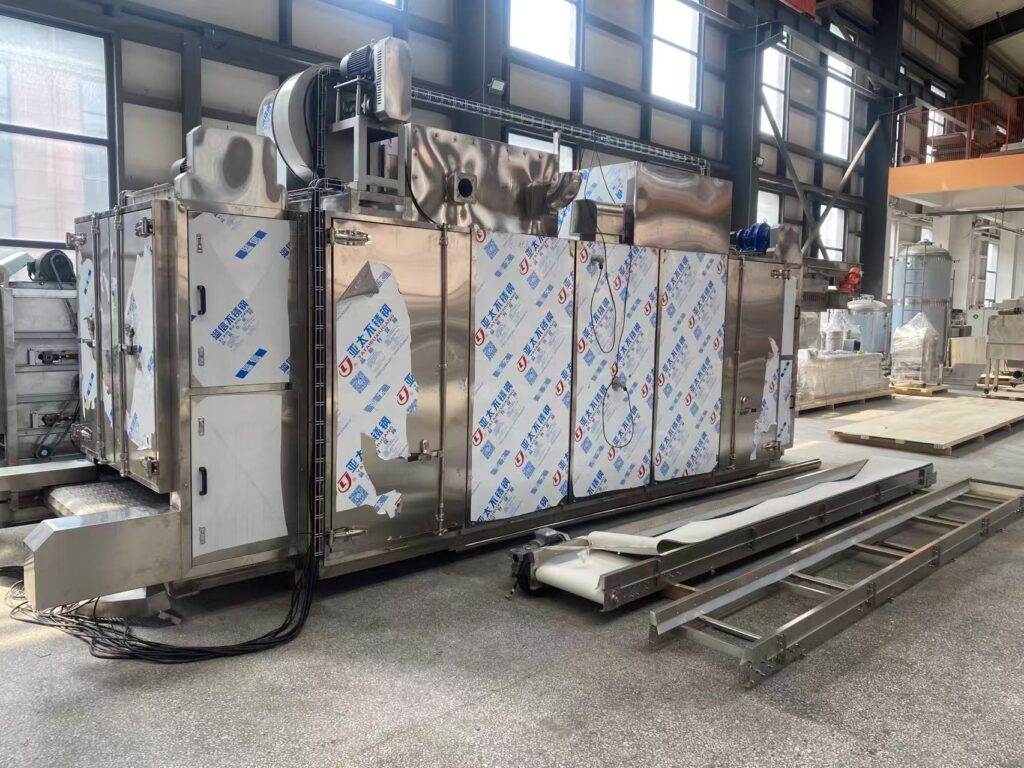
- Fortified Rice: The fortification process itself adds minimal environmental burden (less than 5% additional energy/water compared to regular rice milling). However, extruded kernels require drying, which may increase energy use. Overall, the environmental difference is small relative to the health benefits.
Conclusion
| Feature | Regular Rice | Fortified Rice |
|---|---|---|
| Nutrient density | Low (mainly carbs) | High (added vitamins/minerals) |
| Taste/texture | Standard, familiar | Nearly identical if well-made |
| Cost | Low | Slightly higher (5–15%) |
| Cooking ease | Standard | Similar, with minor adjustments |
| Public health benefit | None for micronutrients | Significant reduction in deficiencies |
Final Verdict: For generally healthy individuals with a balanced diet, regular rice is sufficient. However, in populations where rice is the primary calorie source and malnutrition is common, fortified rice is a superior choice. fortified rice machinery plant It delivers essential nutrients without changing eating habits, making it one of the most practical and scalable solutions to global hidden hunger. Whenever possible, choosing fortified rice over regular rice offers both personal health benefits and contributions to broader public health goals.
 Arabic
  English
  Russian
  Spanish
  Italian
  Portuguese
  German
  French
  Japanese
  Moroccan Arabic
  Persian
  Belarusian