
Few snacks possess a shape as iconic as the Bugle. The hollow, conical, horn-like form is instantly recognizable, bugles making machine but the process of creating these crispy corn snacks is a fascinating application of food engineering. Known scientifically as “corn cone snacks” or “extruded fried corn chips,” the manufacturing process relies on a precise combination of material science, thermodynamics, and high-speed automation

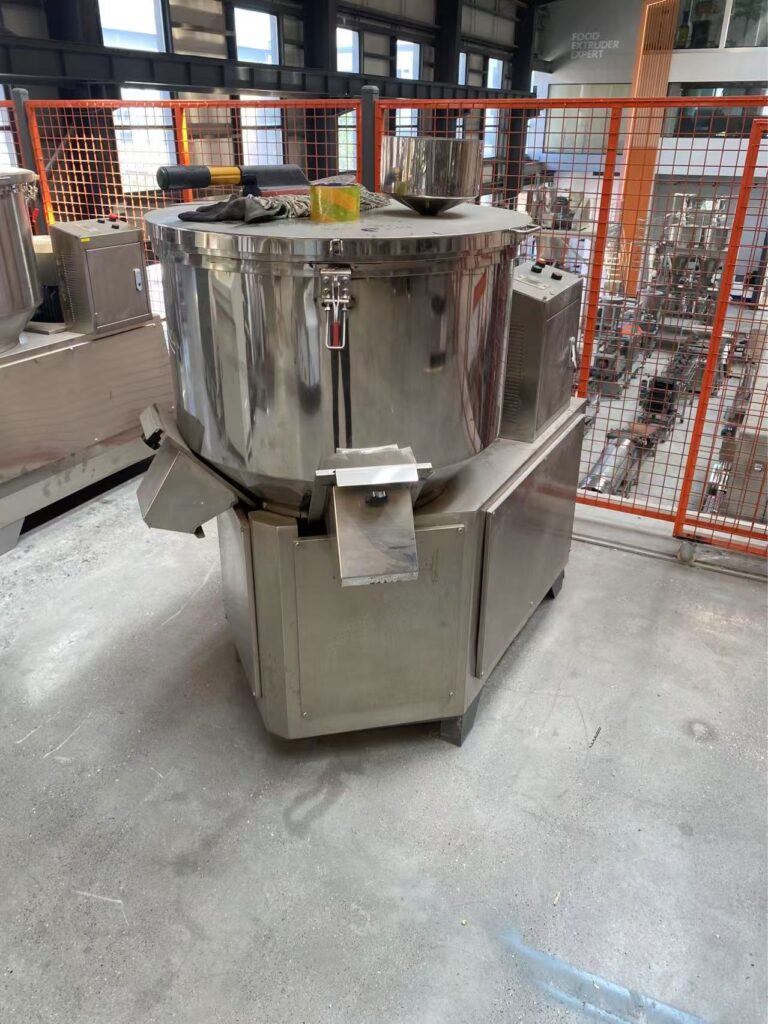
1. Raw Material Preparation and Mixing
The process begins with the blending of dry ingredients. The base formula typically consists of corn flour (maize grits) , rice flour, sugar, salt, and sometimes specific starches to control texture . These powders are fed into a high-speed mixer where they are combined with water. This hydration step is critical; moisture content usually needs to be precise (often around 8% to 15%) to ensure the starch gelatinizes correctly later in the process .

2. The Extrusion Process
Extrusion is the heart of Bugles production. The dough enters a twin-screw extruder—a machine that functions like a powerful pump combined with an oven. bugles making machine Inside the barrel, the screws rotate to convey, compress, and shear the dough . Friction and external heating jackets raise the temperature significantly, often between 150°C and 180°C .
The high pressure and heat cause the starch to gelatinize. As the dough is forced through the die plate at the end of the extruder, it undergoes a sudden drop in pressure (flash-off). This causes superheated water in the dough to instantly vaporize, expanding the matrix. However, unlike breakfast cereals that puff randomly, Bugles require a specific shape. The die is engineered to extrude a thin tube. As the tube exits, it naturally curls into the iconic cone shape due to differential cooling rates on the inner versus outer surface of the extrudate .
3. Cutting and Conveying
As the continuous rope of dough exits the extruder, a high-speed flying knife cuts the cones to precise lengths. The uncooked “half-products” or pellets are then transported via a vibrating conveyor to the next stage, ensuring they do not stick together before frying .

4. Frying
Unlike baked chips, genuine Bugles are fried. The shaped pellets enter a continuous fryer filled with hot vegetable oil (often palm olein). The high temperature of the oil (typically around 180°C to 200°C) serves two purposes:
- Dehydration: It drives out the remaining moisture, making the snack crispy.
- Structural Fixation: It sets the starch matrix into a rigid, brittle structure that holds the cone shape permanently.
This frying process gives Bugles their characteristic golden-yellow color and fatty mouthfeel .
5. Dewatering and Flavoring
After exiting the fryer, the snacks pass through a de-oiler (a vibrating screen or rotating drum) to remove excess surface oil, ensuring the final product isn’t greasy. bugles making machine Next, they enter a rotating flavor drum. As the cones tumble, a spray system applies a slurry of oil and seasoning powder (such as the classic “Original” cheese flavor or “Cheddar”) to coat every surface of the cone evenly .

6. Quality Control and Packaging
Finally, the Bugles pass through a cooling conveyor before dropping into weighing and vertical form-fill-seal (VFFS) machines. Metal detectors and checkweighers ensure that every bag meets safety and weight standards before being packed into the familiar cardboard canisters or pillow bags .
From a simple mixture of corn and water to a precisely engineered cone, the Bugle is a testament to how sophisticated extrusion technology creates the shapes we love.
 Arabic
  English
  Russian
  Spanish
  Italian
  Portuguese
  German
  French
  Japanese
  Moroccan Arabic
  Persian
  Belarusian